
Welcome to The India Fix by Shoaib Daniyal. A newsletter on Indian politics.
The new Bangladesh government will be sworn in today. And even though Delhi-Dhaka ties seem to be on the mend, I try and offer a reality check on just how much power India has lost in Bangladesh since Hasina was overthrown.
As always, if you’ve been sent this newsletter and like it, to get it in your inbox every week, sign up here (click on “follow”).
On Thursday, as Bangladesh voted in its general elections, Sheikh Hasina released a statement from Delhi slamming the exercise. Calling it a “sham” and “farce”, the deposed prime minister alleged that there had been widespread violence and rigging and demanded a “cancellation of this voterless, illegal and unconstitutional election”.
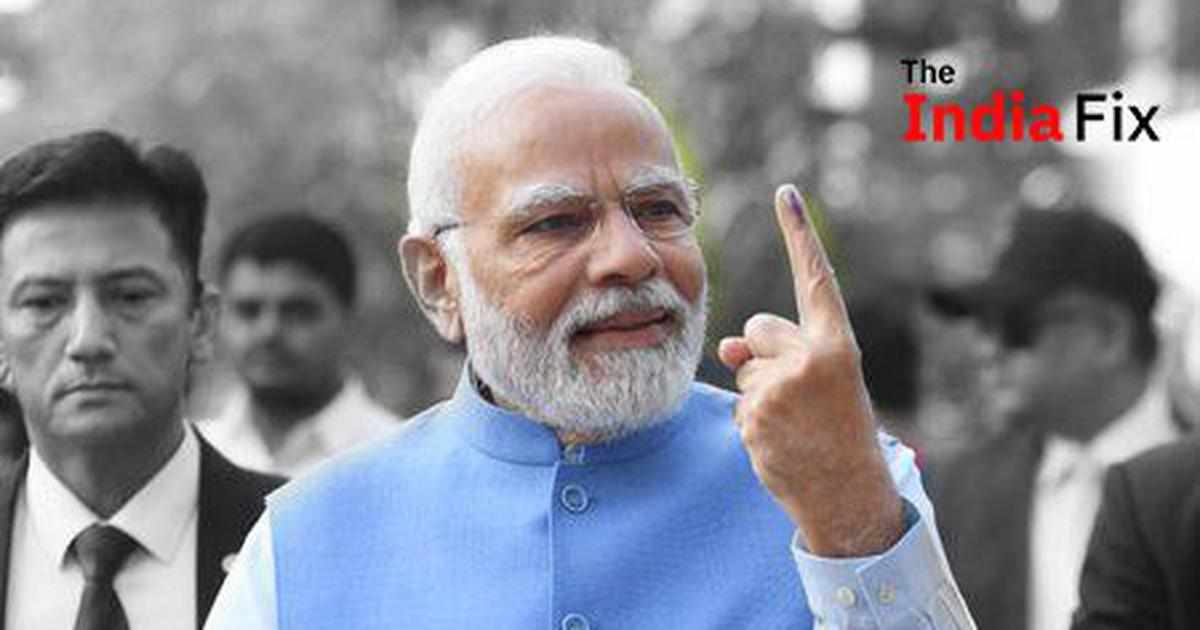
However, her host country went the other way. Far from criticising the election, the government of India welcomed it warmly. Prime Minister Narendra Modi was the first global leader to congratulate Bangladesh’s prime minister-elect Tarique Rahman, tweeting out his regards in Bengali for added effect. On Tuesday, the Lok Sabha speaker will represent India as Rahman’s swearing-in ceremony.
The Modi government’s enthusiasm is understandable. Ever since Sheikh Hasina’s ministry was toppled by a student-led uprising in 2024, Delhi-Dhaka relations have hit rock bottom. Given that Delhi blames Bangladesh’s interim government for this slump, it hopes that Rahman’s Bangladesh Nationalist Party will offer a reprieve.
A loss of influence
Yet, India’s excitement for Rahman is also an indicator of just how much Indian foreign policy has lost in Dhaka since Hasina’s departure.
A couple of years ago, an election that elected the Bangladesh Nationalist Party to power would have been a disaster for Delhi.
That today Delhi is welcoming the victory of the Bangladesh Nationalist Party, shows just how much leverage it lost during the uprising. It was not questioning how the election was conducted, not expressing anger, not backing the position of the Awami League thought the party was barred from contesting.
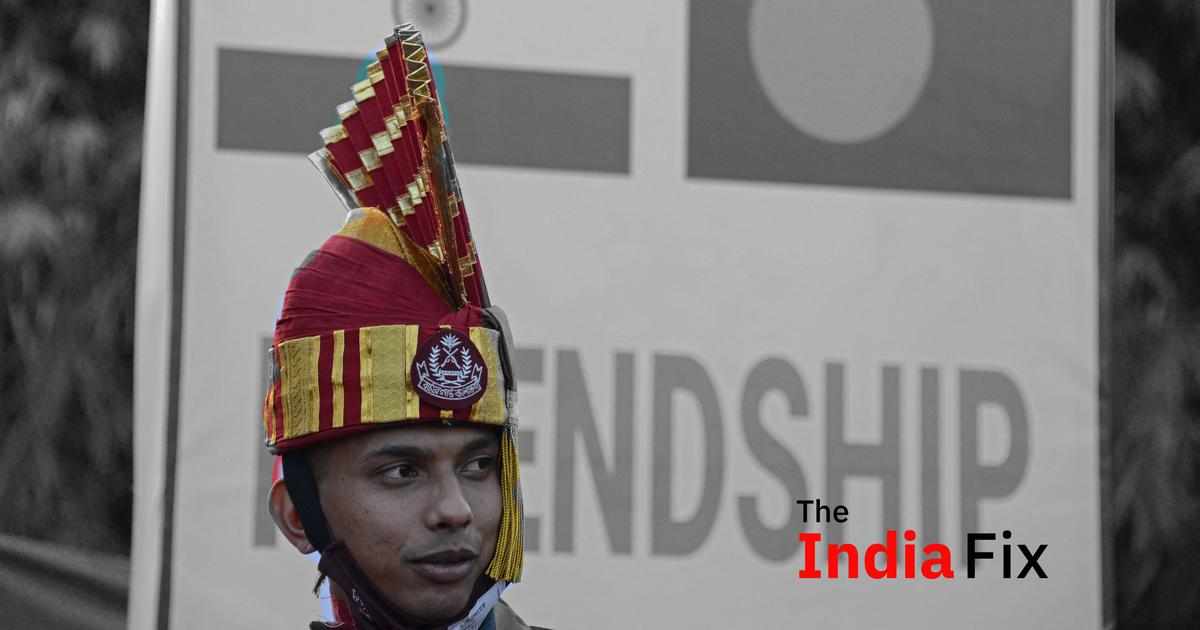
Under Hasina’s 16-year reign, Delhi and Dhaka shared exceptionally strong relations. In fact, it would seem that Bangladesh was India’s closest ally. Dhaka allowed India rail transit, bought extremely expensive power from an Indian firm and targeted Indian terror groups such as the United Liberation Front of Assam that operated from its territory.
In return, India supported Hasina completely, even going so far as to block international criticism for the elections she rigged in 2024. This close relationship is not new: in 1975, Hasina fled to India after her father was assassinated and lived in Delhi for six years. So it should not be a surprise that it was India which took her in as mobs closed in on Ganabhaban, her official residence in Dhaka, on August 5, 2024.

A significant climbdown
This bonhomie did not go unnoticed. Hasina’s special relationship with Delhi was the biggest source of criticism against her and acted as a lightning rod for the protestors who eventually overthrew her. In the time that I spent in Dhaka reporting on the elections, I saw widespread anger against what Bangladeshis thought of as Delhi’s oversized influence. Ironically, even leftists and liberals – often violently attacked by the Bangladeshi right as supposedly pro-India – repeated these points to me.
Till 2024, India backed the Awami League completely, ignoring the Bangladesh Nationalist Party. In fact, the Bangladesh Nationalist Party’s last stint in power, from 2001 to 2006, was seen to be a disaster for Delhi: during that time, Bangladesh allegedly sheltered terror groups from India’s North East and unleashed violence against minority groups in the country.
Yet the ground shifted so far that New Delhi is now welcoming a Bangladesh Nationalist Party government even though this means that India will now have to compete for influence within Bangladesh with countries such as China, Turkey and even Pakistan. In fact, given the prevailent anti-India mood in Bangladesh, Rahman’s government will be keen to not be seen as embracing Delhi too closely.
Given how sharply Indian foreign policy has been affected in this key neighbouring country, Indians need to ask some tough questions of their government.

Diplomatic failure
Did Indian intelligence agencies have no clue about the scale of anger that led to the uprising against Hasina? Did the protests catch them off guard? And if they did know that Hasina’s position was shaky, why did India not change tack and develop relations with other stakeholders in Bangladesh? Why did Delhi put all its eggs in the Hasina basket?
Bangladesh is the most egregious example but the Modi government has mishandled all of South Asia. In 2015, India allegedly blockaded Nepal as a way to stymie changes to Nepal’s constitution. Though India denied the allegations, Nepali anger meant that Kathmandu turned to China. The situation has got so bad that tiny Nepal has picked a dispute about territory with India.
A revolution in Sri Lanka in 2022 brought down the pro-China ruling Rajapaksa clan. Despite that, India and China remain in a contest for influence. In Myanmar, India is reduced to playing second fiddle to China.
India’s vast size, many believe, should accord it a leading role in South Asia. Yet, poor diplomacy by the Modi government means that this far from the case. To the contrary, Delhi has actually lost power in the region over the past decade.
We welcome your comments at letters@scroll.in.




Write a comment ...