
Welcome to The India Fix by Shoaib Daniyal. A newsletter on Indian politics.
As always, if you’ve been sent this newsletter and like it, to get it in your inbox every week, sign up here (click on “follow”).
In 2019, the Modi government passed the Citizenship Amendment Act. The law was highly controversial, putting in place, for the first time, a religious filter for Indian citizenship. It enabled migrants from Bangladesh, Pakistan and Afghanistan to apply for Indian citizenship even if they had crossed over into India illegally.
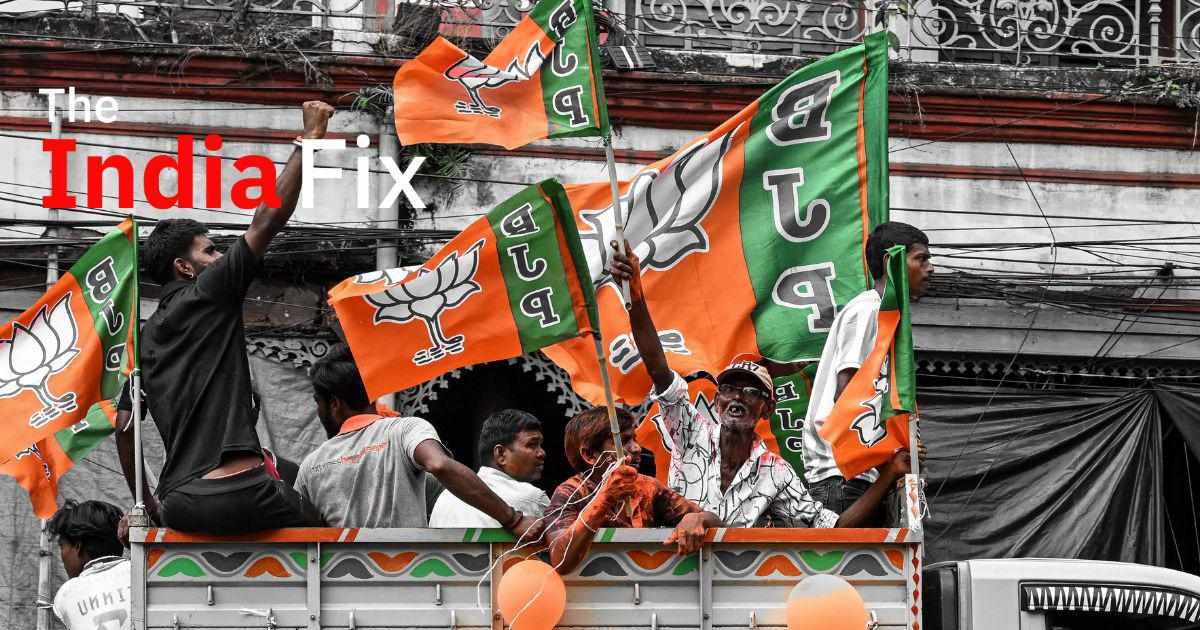
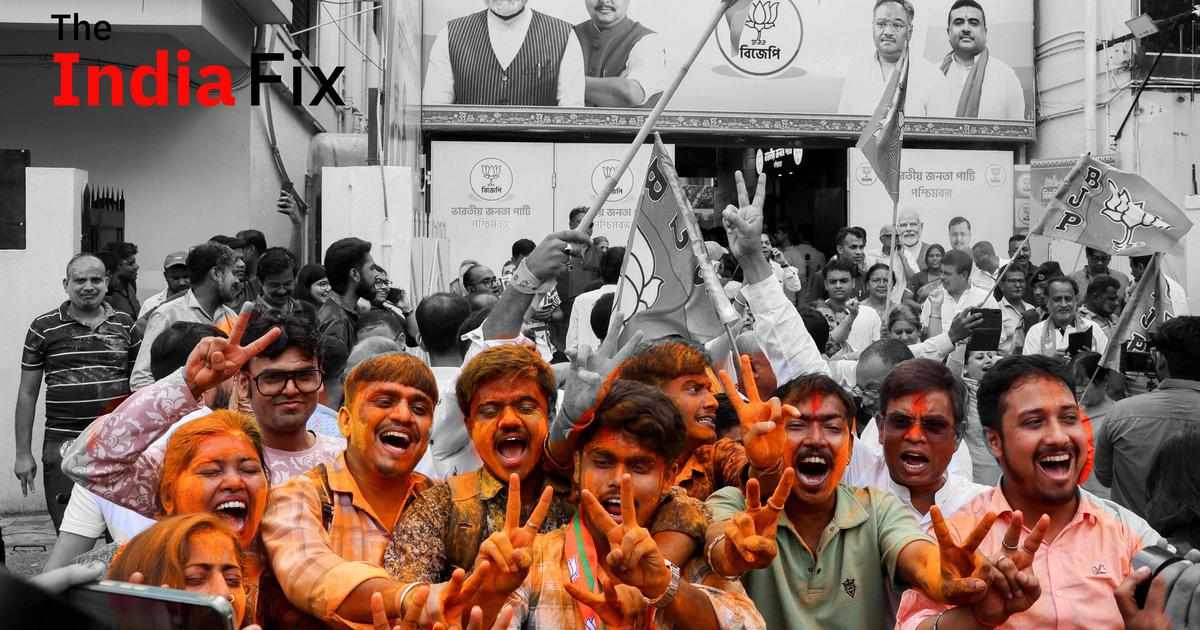
Much of the political thrust of the law came from West Bengal, where the Bharatiya Janata Party is top choice for the millions of Hindus who have crossed over from Bangladesh into India. The BJP dismissed the secularist argument against the CAA, instead arguing that it was duty bound to help the Hindus of Bangladesh, who have long been victims of the country’s majoritarian politics.
Curiously, however, the CAA has been missing from action over the past year, when Hindus in Bangladesh, by all accounts, are facing communal violence in the wake of Prime Minister Sheikh Hasina fleeing the country in 2024. On Friday, a Hindu man, Dipu Chandra Das, was lynched by a mob over allegations of blasphemy.
Naturally, since the CAA was politically showcased as a way to save Bangladeshi Hindus, there were appeals that it be used to help them at this moment. “You made this law precisely to protect these kinds of helpless people,” posted psephologist Yashwant Deshmukh. “Nobody deserves protection under CAA more than his [Das’] family right now.”
The cut-off
However, the CAA offers no help to Das’s family. In fact it was drafted precisely to prevent his family from crossing over into India. The law has an explicit cut off date of December 31, 2014 – five years before the legislation was enacted. In effect, it was only meant for illegal Hindu Bangladeshi migrants already in India. It was not meant for Bangladesh’s Hindus who were still in Bangladesh.
In fact, as I had reported in 2019, when the legislation was being debated, the Modi government had assured the Joint Parliamentary Committee that the bill would only provide a one-time amnesty to illegal Hindu migrants from Bangladesh, with a cut-off fixed at December 31, 2014. This would prevent, claimed the Modi government, “further influx [of Bangladeshi Hindus] into India”.
In the wake of the communal violence in Bangladesh, the Modi government has sent out sharp political signals to Dhaka even as India’s media has highlighted the plight of Bangladesh’s Hindus. Yet so successful was the Modi government’s initial narrative around the CAA, that there are almost no demands to remove the cut off and allow Bangladesh’s embattled Hindus to claim citizenship in India by allowing them to migrate into border states such as Assam and West Bengal.
This circles back to a point that the India Fix has made before: the CAA is largely ineffectual as a way to help Bangladesh’s Hindus, given it is riddled with contradictions.
Domestic audience
In fact, although the law has been in existence for six years now, the Modi government has studiously avoided publishing any statistics around how many people have been awarded citizenship under the CAA, likely driven by the fact that numbers are embarrassingly low.
If the CAA, by putting in a cut-off, was not meant to help Bangladeshi Hindus, then what was the point of it? Politically, the act has been a windfall for the BJP. Amit Shah, for example, has linked the CAA and a future National Register of Citizens as a way to threaten Indian Muslims with a citizenship test. The anti-CAA protests Shah’s threats sparked off were used by the BJP as a further tool of Hindutva mobilisation.
To top it off, near-complete media control means the Modi government faces almost no pressure to remove the CAA’s cut off and actually make the act useful for Bangladesh’s Hindus.
We welcome your comments at letters@scroll.in.







Write a comment ...