
Welcome to The India Fix by Shoaib Daniyal. A newsletter on Indian politics.
As always, if you’ve been sent this newsletter and like it, to get it in your inbox every week, sign up here (click on “follow”).
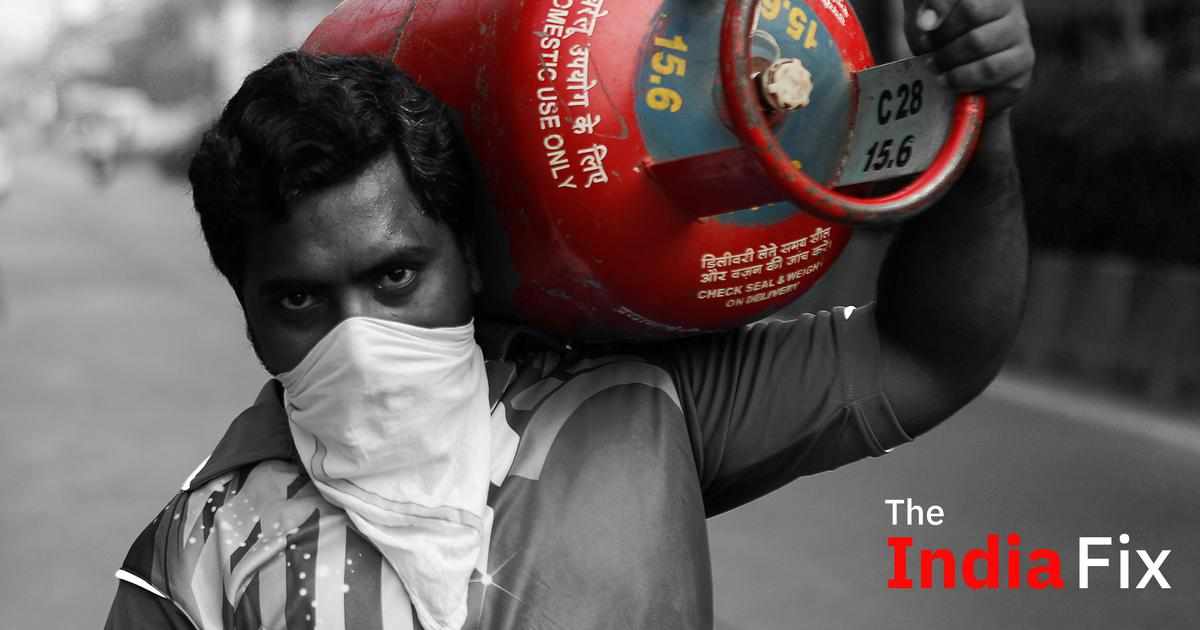
For the past few weeks, life for many Indians has been turned upside down by gas and petrol shortages caused by the US and Israeli war on Iran.
Cities across the country have seen long lines at liquified petroleum gas outlets and petrol pumps, with the police deployed in some places to maintain order. A host of industries, ranging from eateries to healthcare, have been hit.
In cities, labourers are facing difficulties finding work, bringing back dark memories of the 2020 Covid lockdown. In addition, India’s push to replace polluting firewood as a cooking fuel has seen a major setback as households are simply unable to procure gas cylinders.
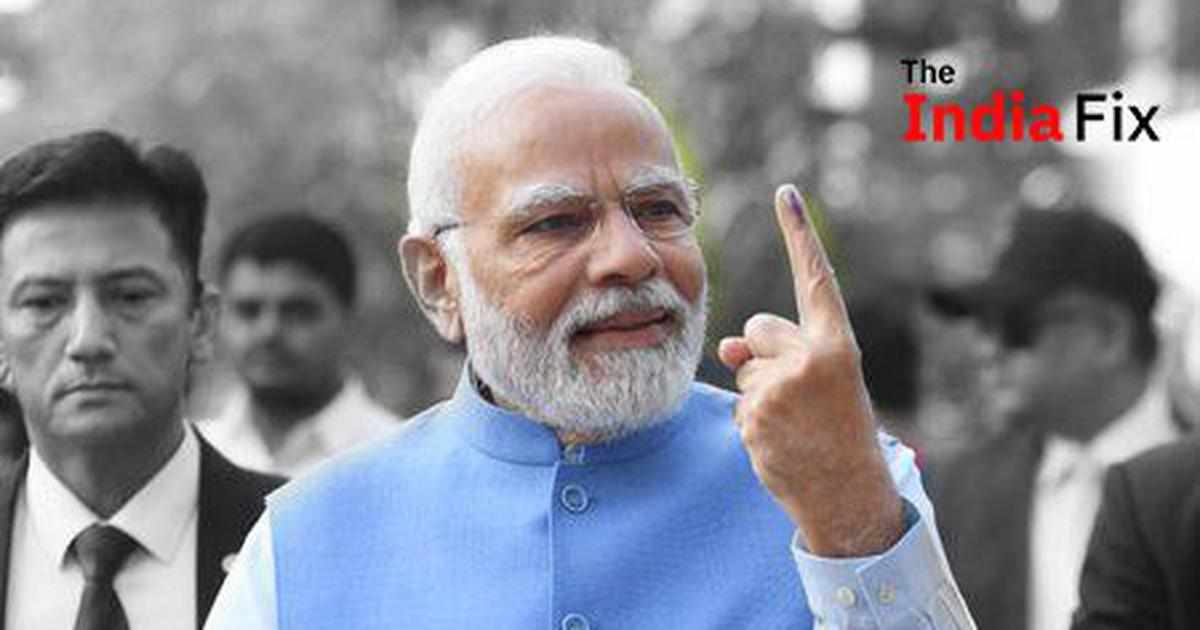
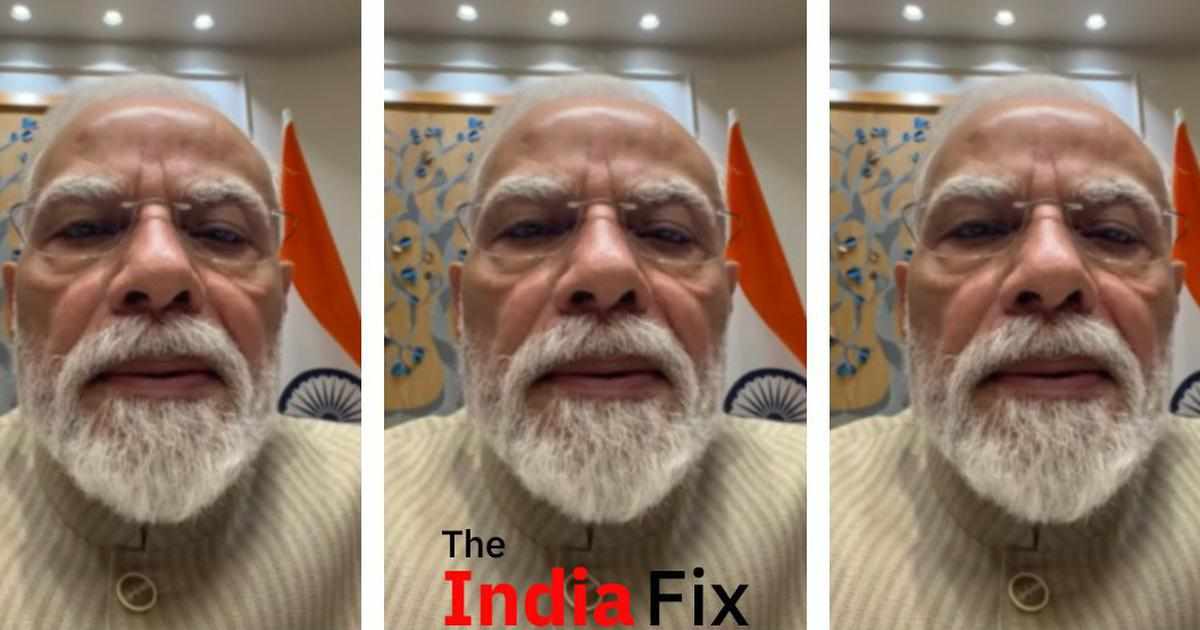
Who is to blame for this chaos? If the head of India’s government is to be asked, it’s the Opposition. The Congress, Prime Minister Narendra Modiclaimed on Wednesday, is “continuously spreading rumours so that panic spreads across the country and people queue up outside petrol pumps and gas agencies and chaos ensues”.
Buck stops there
For the past 12 years, Indians have repeatedly witnessed the somewhat ridiculous reflex of the government blaming the Opposition for governance problems. While the idea that the Opposition is at fault here has no legs, Modi was likely right about the petrol and gas shortages being caused by panic buying rather than any actual lack of stocks.
The Union government has put out data showing that the country has two months of oil reserves and a month of cooking gas reserves. The run on petrol pumps and gas outlets was being caused by misinformation that created a “wholly false impression of shortage”, said the Ministry of Petroleum & Natural Gas.
It might be worth asking why Indians do not believe their own government. Why have repeated government assurances that India has enough oil and gas failed to halt the panic buying?
Part of the answer precedes this government. India is a state with poor capacity. Tasks that most other states find quite simple – such as building toilets – elude India. Most Indians reflexively assume that when faced with an oil and gas shortage due to war, the Indian state will not be able to provide any sort of safety net.
A very stark, recent example exists in the Covid pandemic, when the Indian state practically froze in many states.
Frying pan to fire
The current government has, however, made things worse even beyond poor state capacity.
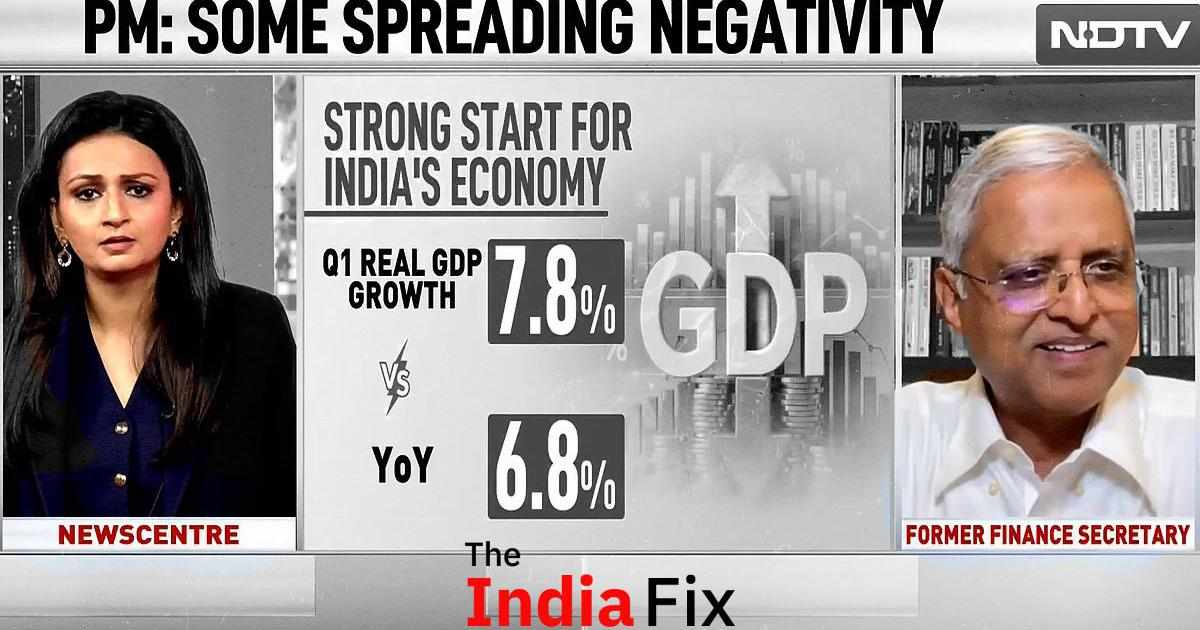
For one, the Modi government has a long record of suppressing statistics or even publishing misleading data. Basic economic data such as employment statistics have been held back, the census has been delayed by five years and even something as fundamental as GDP data is now being revised since it overestimated growth.
Given this background, is it a wonder that many Indians don’t trust the government’s gas and petrol reserves data?
Second, Modi has instituted a range of arbitrary measures that have caused widespread pain to India’s population. This includes the 2016 demonetisation of 86% of currency notes, the draconian, unplanned Covid lockdown of 2020 and, most recently, the special intensive revision of voter rolls (this was technically ordered by the Election Commission but given widespread doubts about its independence, in popular perception the Modi government is being held responsible).
Indians have always doubted the intentions of the state. Avoiding the police and the courts is an urgent priority. With these haphazard decisions, Modi has made the Indian state an even more unreliable agent to deal with.
Third, normal feedback loops, such as the media and even elections, through which people can communicate with the government, now stand weakened. In the last general election, Indians did not give the Bharatiya Janata Party a simple majority in Parliament. But this rebuke did little to lessen Modi’s power.
All of this means that the Modi government could cry itself hoarse over sufficient stocks but panic buying still continues. Few trust the government’s data. Since there will be little state help if things do go south, Indians have decided that it’s every person for themself and are hoarding gas and petrol.
Deceptive food ads are threatening the health of millions of Indians. We have the data. Now we need your help to do the ground reporting. Fund this investigation by clicking here.


Write a comment ...